
Stepping out of the train station in Agra, you are immediately hit by a wall of sensory input. The air smells faintly of roasted peanuts and diesel, auto-rickshaw drivers clamor for your attention, and the distant hum of a city that never quite sleeps wraps around you. But beneath the chaotic, dust-draped exterior of modern Agra lies the beating heart of India's most opulent era. If you are planning a trip to the city of love, you need a comprehensive Agra travel guide to navigate it right. I’ve walked these narrow alleys, haggled in the bazaars, and stood in quiet awe before the marble monuments that define this city. Here is everything you need to know to experience Agra not just as a tourist, but as a traveler stepping back in time.
Long before it became synonymous with the Taj Mahal, Agra was a formidable center of power. While it finds a brief mention in the ancient Hindu epic, the Mahabharata, as "Agraban," the city truly found its soul in the 16th century under the Mughal Empire.Starting with Emperor Babur in 1526, Agra served as the capital of the Mughal dynasty for over a century. However, it was under the reigns of Akbar, Jahangir, and Shah Jahan that the city transformed into an unparalleled hub of art, culture, and architectural grandeur. Shah Jahan, the great builder, cemented the Taj Mahal history by commissioning a white marble mausoleum for his beloved wife, Mumtaz Mahal.Understanding this history changes how you view the city. You aren’t just looking at old buildings; you are walking through the remnants of an empire that once commanded unimaginable wealth and artistic genius.
When you search for places to visit in Agra, the lists are always long, but four monuments absolutely demand your time.
1. The Taj Mahal (A Sunrise to Remember)
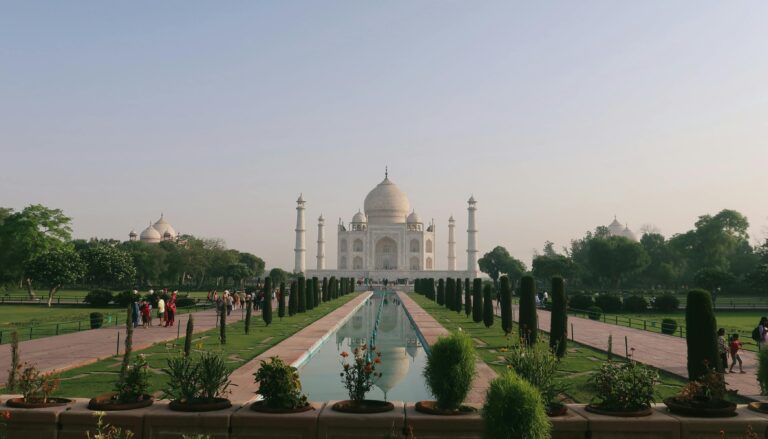
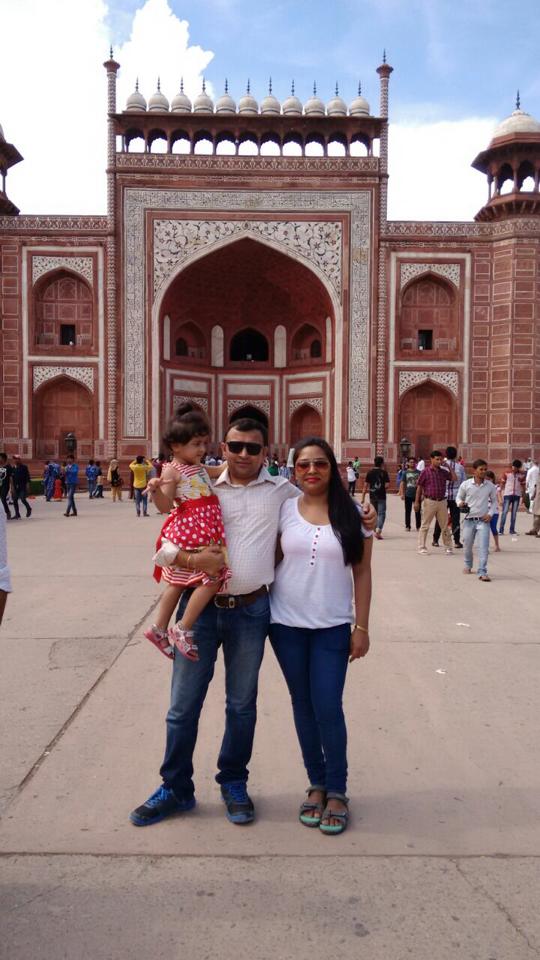
Let me tell you about my morning at the Taj. My alarm went off at 4:30 AM. Bleary-eyed, I navigated the dark, quiet streets to the East Gate, clutching my online ticket. When they finally opened the gates, there was a collective, hushed rush.Walking through the great red sandstone gateway, the Taj Mahal slowly reveals itself, framed perfectly by the arch. At sunrise, the white marble doesn't just reflect the light; it absorbs it. It glows in soft hues of lilac, pink, and pale gold. As the morning mist lifted off the Yamuna River behind it, I touched the cold marble walls, tracing the intricate floral inlays. The sheer scale and perfect symmetry of the monument brought a literal lump to my throat. No photograph prepares you for the emotional weight of seeing it in person.
2. Agra Fort
Just 2.5 kilometers northwest of the Taj lies the sprawling Agra Fort. Built primarily by Akbar as a military base, it was later transformed into a palace by Shah Jahan.When you walk through its massive courtyards, you can see the distinct shift in architectural styles—from Akbar’s robust red sandstone to Shah Jahan’s elegant white marble. Don't miss the Musamman Burj, the octagonal marble tower where Shah Jahan was imprisoned by his son, Aurangzeb. Standing there, looking out the carved windows at the distant Taj Mahal, you can almost feel the deposed emperor's heartbreak as he spent his final years gazing at his wife's tomb.
If you want a peaceful, crowd-free view of the Taj, head across the Yamuna River to Mehtab Bagh. Originally designed by Babur, this garden aligns perfectly with the Taj Mahal. I highly recommend coming here at sunset. Sitting on the grass as the sun dips below the horizon, painting the sky in fiery oranges while the Taj turns a muted grey, is the perfect way to end a day of exploring.
4. Fatehpur Sikri
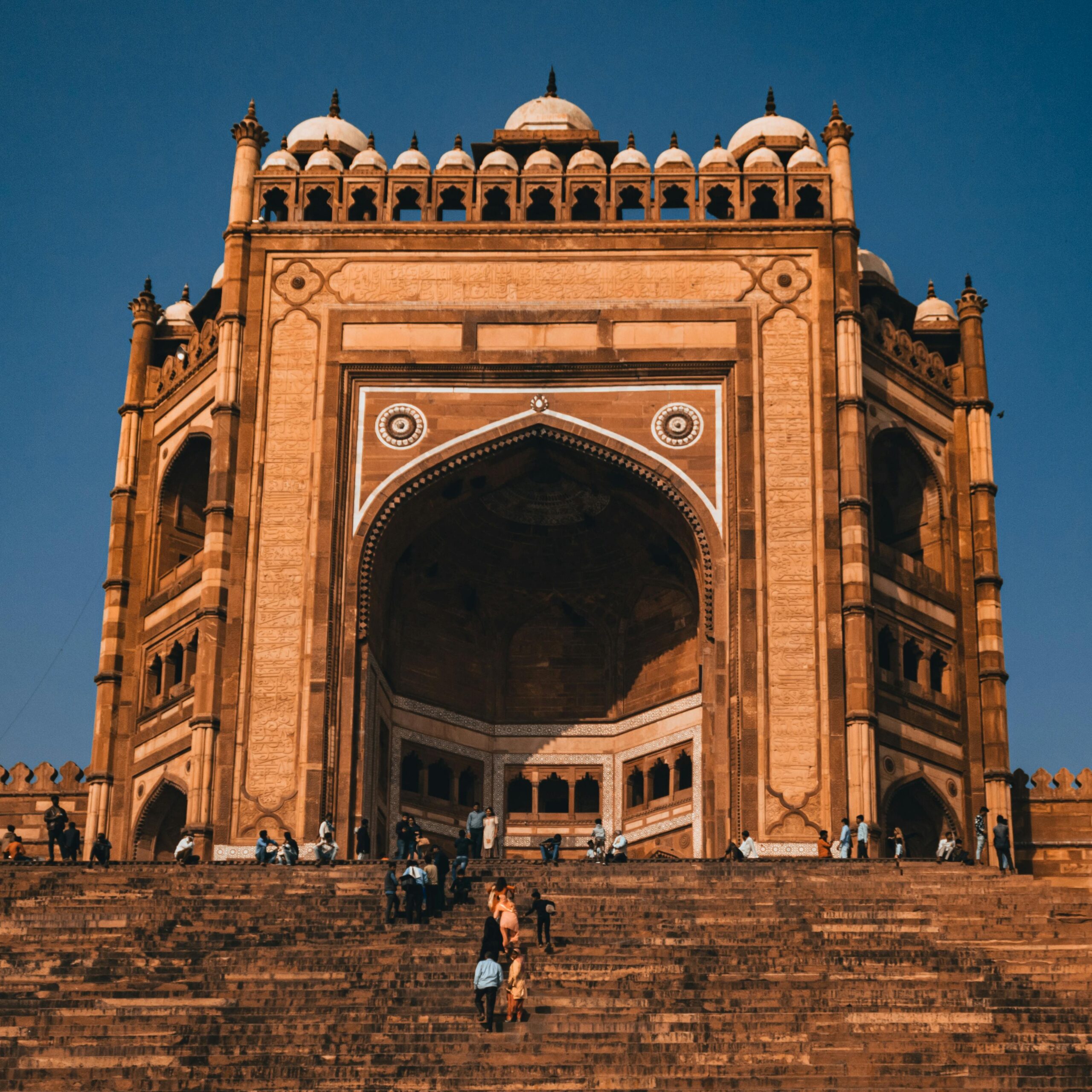
Located about an hour's drive from Agra, this UNESCO World Heritage site is an absolute must. Built by Emperor Akbar, it was intended to be the Mughal capital but was abandoned just 14 years later due to a severe water shortage. Today, it stands as a perfectly preserved ghost city.
Walking up the steep steps to the Buland Darwaza (Gate of Magnificence) makes you feel incredibly small. Inside, tie a thread at the tomb of the Sufi saint Salim Chishti—locals say prayers made here are always answered.
The Geography of Agra
Agra sits in the northern Indian state of Uttar Pradesh, nestled on the banks of the Yamuna River. It forms one-third of India's famous "Golden Triangle" tourist circuit (alongside Delhi and Jaipur). The river historically played a massive role in the city's design; the Mughal emperors built their gardens and palaces lining its banks to catch the cool breezes during the sweltering summers.Speaking of weather, Agra’s climate is extreme. Summers are scorching and dry, while winters can be surprisingly chilly with heavy morning fog.
Best Time to Visit Agra
If you want to avoid heatstroke and misery, knowing the best time to visit Agra is crucial.
October to March (The Sweet Spot): This is the peak tourist season. The weather is cool, pleasant, and perfect for walking around massive outdoor monuments. Just be aware that December and January can bring dense fog, which occasionally hides the Taj Mahal completely until noon.
April to June (The Scorcher): Summer temperatures regularly cross 45°C (113°F). Unless you enjoy feeling like you're walking inside a literal oven, avoid these months. If you must go, do all your sightseeing at 6 AM.
July to September (The Monsoon): The rains cool the city down and wash the dust away, leaving the monuments looking vibrant and clean. However, humidity is exceptionally high, and sudden downpours can disrupt your plans.
Crafting Your Agra Itinerary: How Many Days Do You Need?
A common mistake travelers make is treating Agra as a rushed day trip from Delhi. While possible, it’s exhausting and deprives you of the city's true flavor.
The 2-Day Itinerary (Recommended)Day 1: Sunrise at the Taj Mahal. Head back to your hotel for breakfast, then explore Agra Fort. Spend the late afternoon shopping in the bazaars and watch the sunset from Mehtab Bagh.
Day 2: Take a morning half-day trip to Fatehpur Sikri. Return to Agra for a late lunch, visit the Tomb of Itimad-ud-Daulah (often called the "Baby Taj"), and indulge in a street food tour in the evening.
A 3-day Agra itinerary is only necessary if you are a deep history enthusiast wanting to explore lesser-known tombs (like Akbar's Tomb in Sikandra) or if you prefer a very slow, relaxed travel pace.
The Best Markets in Agra
Agra is a treasure trove for shoppers, provided you know where to look and are ready to bargain.
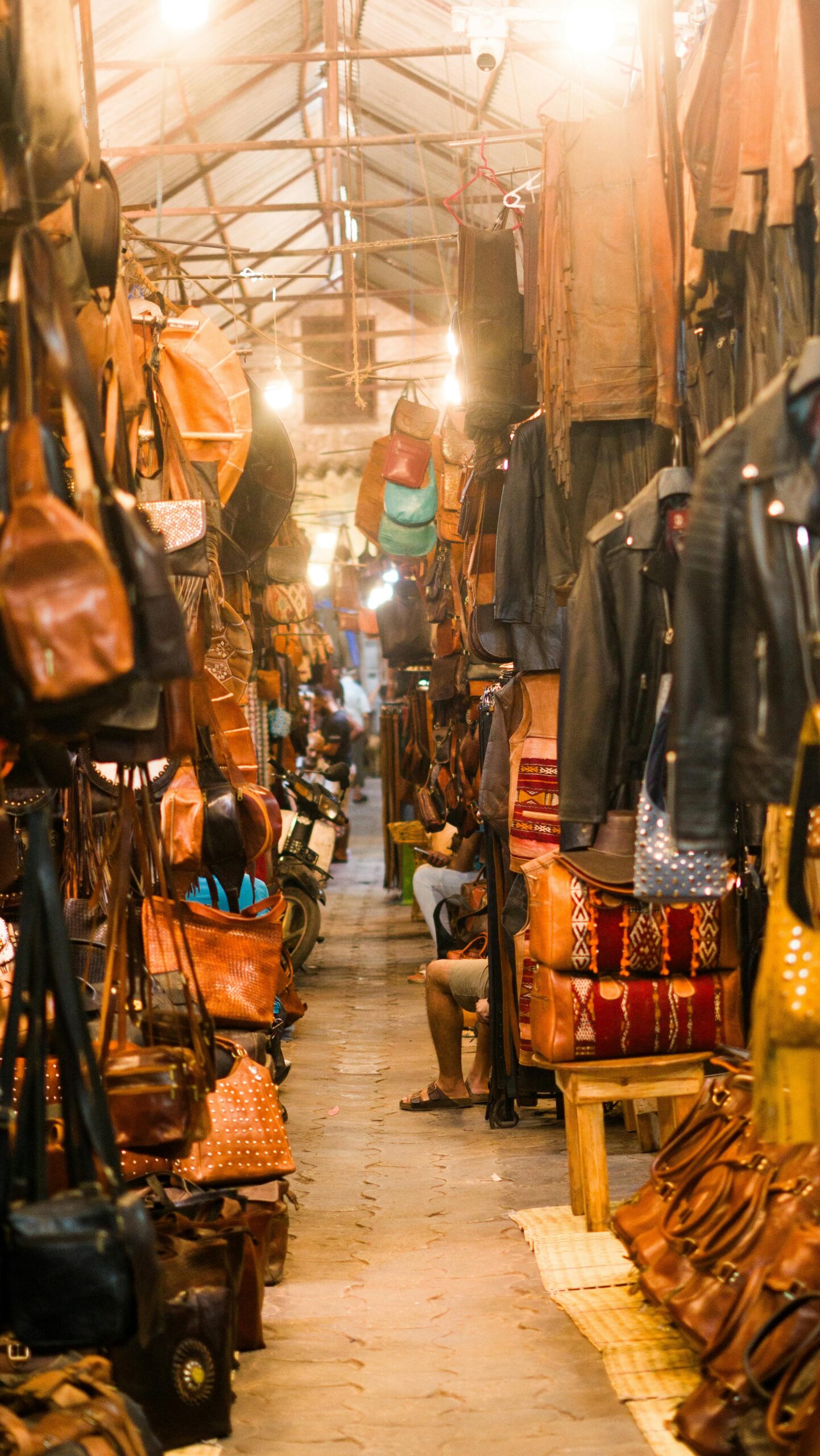
Sadar Bazaar: The most famous market, great for leather goods (shoes, belts, bags). Agra has a massive leather industry, but check for quality.
Kinari Bazaar: Located near the Jama Masjid, this is a chaotic, colorful maze. Come here for fabrics, jewelry, and incredible Zardozi (gold and silver thread embroidery) work.
Marble Handicrafts: You will find intricate Parchin Kari (marble inlay work) all over the city. The descendants of the artisans who built the Taj Mahal still practice this craft today. Just ensure you buy from government-approved emporiums to avoid buying fake soapstone passed off as marble.
An Agra Food Guide: Eating Like a Mughal
You haven't truly experienced Agra until you've eaten your way through it. The food here is a rich blend of robust local Uttar Pradesh street fare and heavy, aromatic Mughlai cuisine.
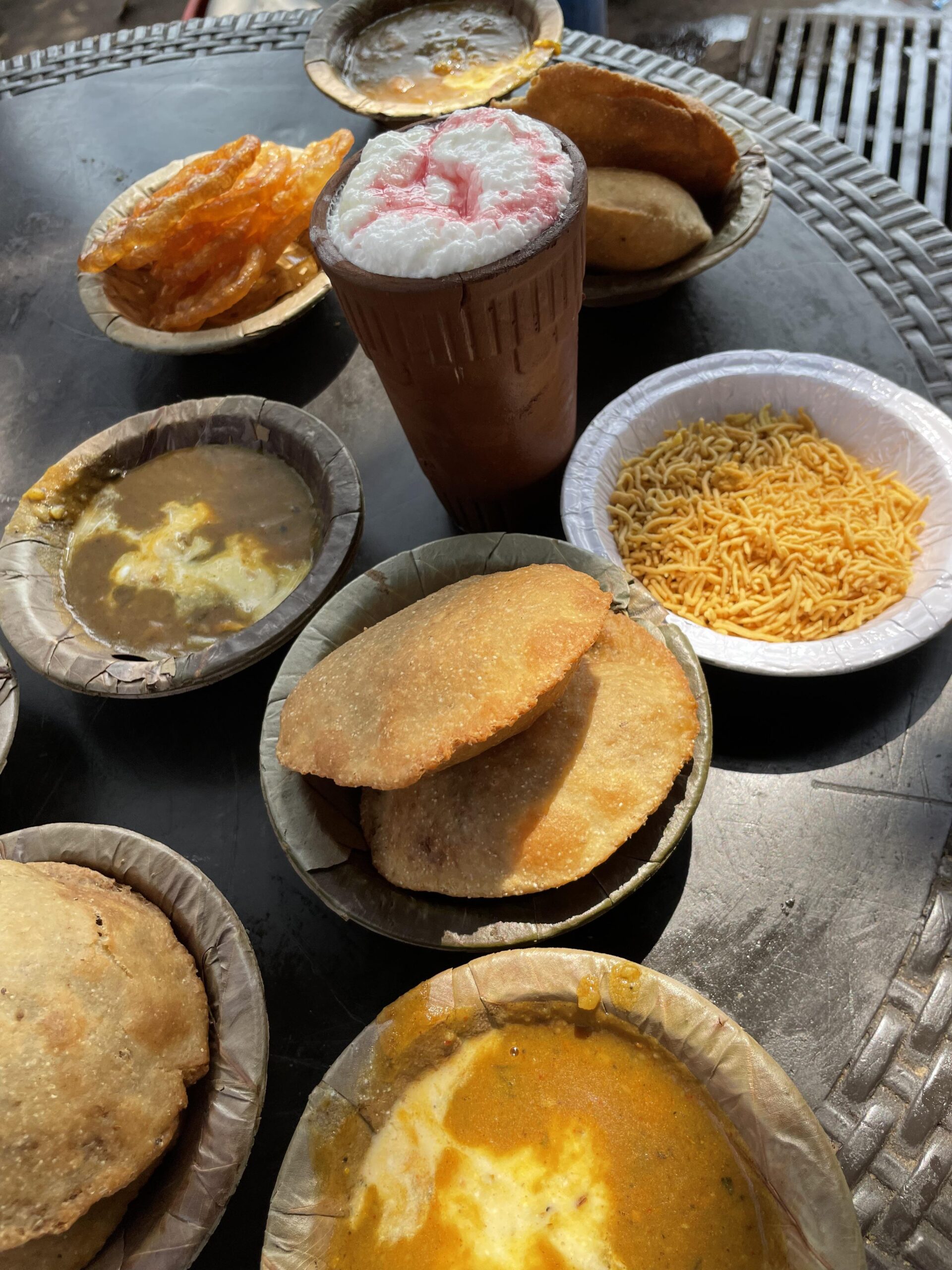
Bedai and Jalebi: This is the quintessential Agra breakfast. Bedai is a deep-fried, puffy, and spicy kachori served with a tangy, fiery potato curry. You immediately chase the heat with a bite of fresh, syrupy Jalebi. Try it at Deviram Sweets—the crowd outside tells you how good it is.
Petha: Agra's most famous sweet is made from ash gourd (winter melon) boiled in sugar syrup. Head to Panchhi Petha (beware of fake shops using the same name) and try the classic, or the saffron-infused Kesar Petha.
Mughlai Cuisine: For dinner, you must try rich, creamy curries like Murgh Musallam or a slow-cooked Mutton Biryani. Pinch of Spice is a popular spot, offering a refined take on these historic recipes.
Local Legends: The Myths of the Taj
Every great monument breeds legends, and Agra is full of them.Have you heard the story of the Black Taj Mahal?
Folklore dictates that Shah Jahan planned to build a mirror image of the Taj in black marble across the river in Mehtab Bagh for his own tomb, but his son imprisoned him before it could be built. While romantic, historians have largely debunked this—the "black marble" ruins found were actually discolored white stones from an old pool.
Then there is the gruesome myth that Shah Jahan chopped off the hands of the artisans who built the Taj Mahal so they could never build anything as beautiful again. Rest easy; this is pure fiction. Many of those same architects went on to build the massive Red Fort in Delhi years later!
Practical Travel Tips for Agra
Ticketing Hacks: Always buy your monument tickets online via the official ASI (Archaeological Survey of India) website. It saves you from standing in massive queues, and online tickets are slightly cheaper.
Scams to Avoid: Agra has aggressive touts. Ignore the "friendly guides" at the train station who offer to show you the city for cheap; they will drag you to overpriced carpet and marble shops where they get a commission. Hire official, government-approved guides at the monuments.
Transport: Auto-rickshaws (Tuk-tuks) are the best way to get around. Always negotiate the price before getting in. Ola and Uber operate in Agra and are great for longer rides, though wait times can be unpredictable.
Friday Closures: Remember, the Taj Mahal is closed to general tourists every Friday for Friday prayers. Plan your itinerary around this.
The Magic Lingers
Agra is not a quiet city. It demands your energy, challenges your senses, and requires a bit of patience. But the reward for that patience is unparalleled.
Standing before the Taj Mahal, tracing the intricate marble veins of the Agra Fort, and watching the sunset over the Yamuna River, you realize that Agra is more than just a pin on a map. It is a living, breathing museum of romance, power, and architectural genius. When you finally pack your bags to leave, you’ll carry a piece of that Mughal magic with you, long after the scent of street-side spices has faded.
My Memories